

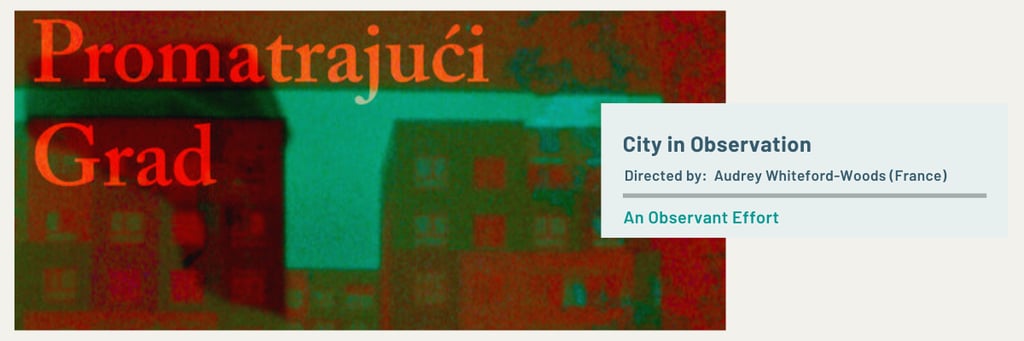
City in Observation
Synopsis
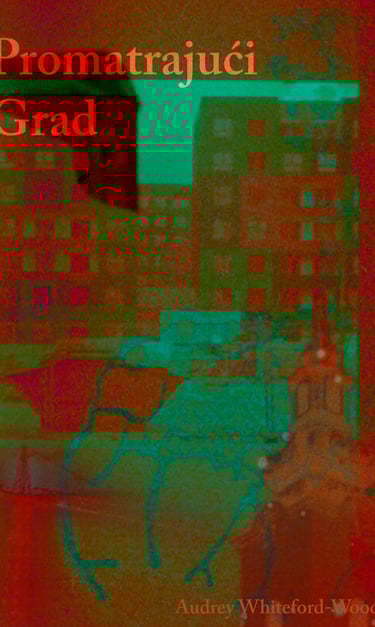
Inspired by the Croatian filmmakers of the 1960s and '70s, a young researcher explores the ways a city watches its people—and how, in turn, she views the city through a lens of disconnection.
The film by AUDREY WHITEFORD-WOODS is a reflective film that takes the city as its subject, as both the one and the one observed in that both it and the observer become the subjects of the question and the answer. Inspired by the Croatian filmmakers of the 1960s and the 1970s, Whiteford-Woods puts inspiration into her reflective instincts, incorporating, nonetheless, a modern prism that connects the memory, time, and technique. The film is not so much a traditional story as it is a sensual essay: it is an issue of minding details, the dynamics between the city and inner spaces, and the silent things one may discover when actually looking.
The theory is such that it is a misleadingly uncomplicated trick, that a young scientist wanders around a European metropolis, recording not only the material beats of the city, but the psychological undertones of the people living there. And what is unique to the film is this insistence on dual point of view, the city looking at its own people, the researcher looking at the city; an interrelation which is concerned with examining the reciprocity of observation in an oblique and indirect way. Whiteford-Woods herself gives it the reflecting monologue voiceover that is a blend of poetic monologue consisting of personal introspection. Her voice is soft with a lot of scent; it does not force its meaning upon the listener but creates an environment that the audience can approach. The voice contribution by IVO ŽARKOVIĆ adds to her remarks, sending soothing contrasts that add further to the rich textures of urbanity.
Directed by:
Audrey Whiteford-Woods
Audrey Whiteford-Woods
Written by:
Audrey Whiteford-Woods
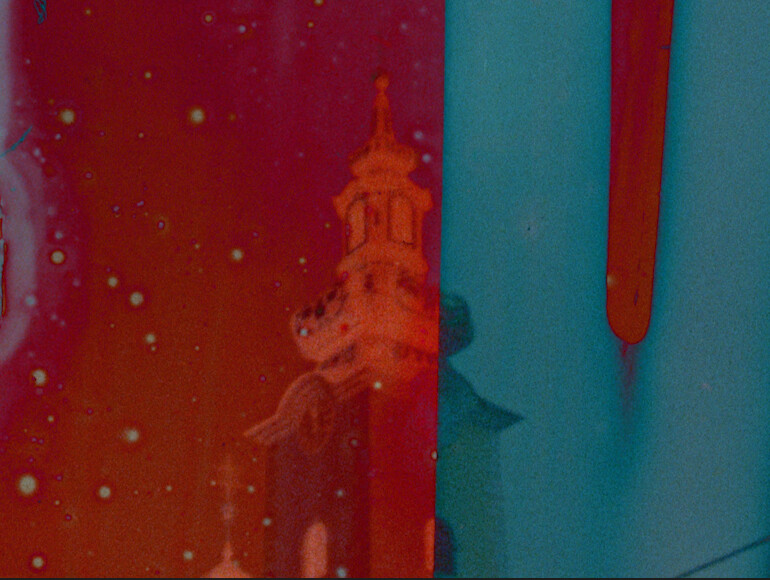
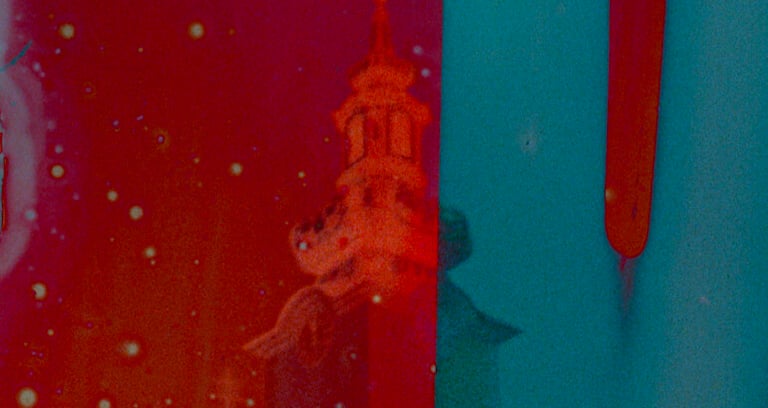
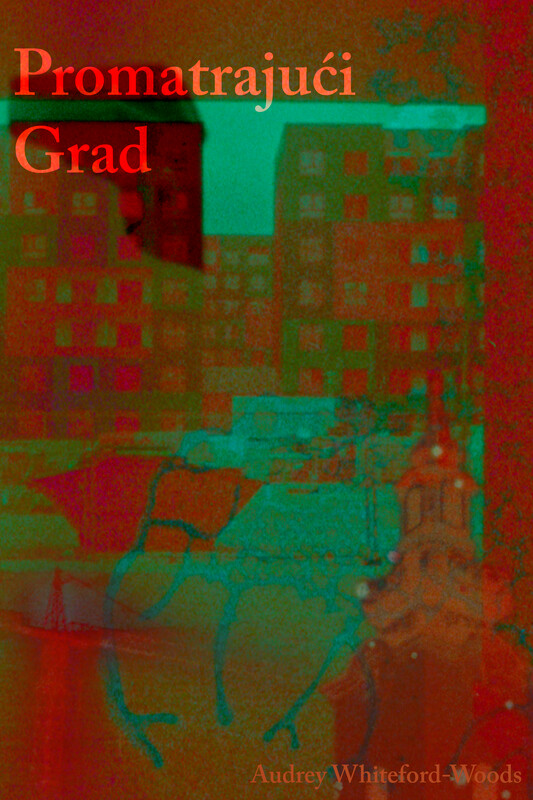
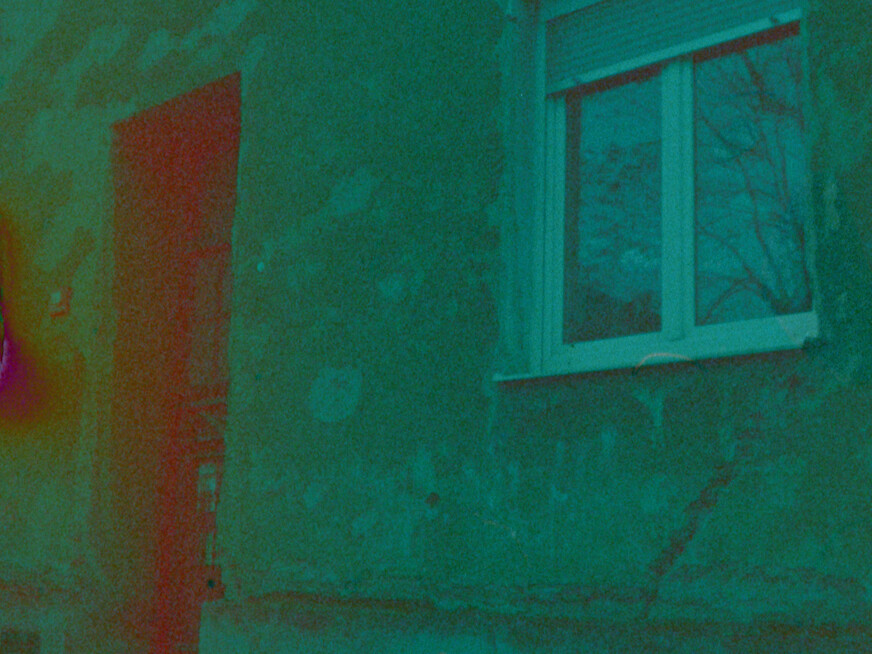
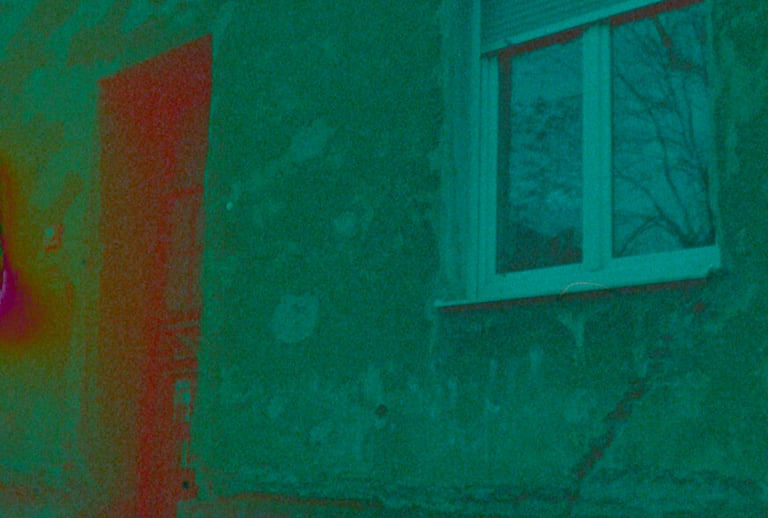
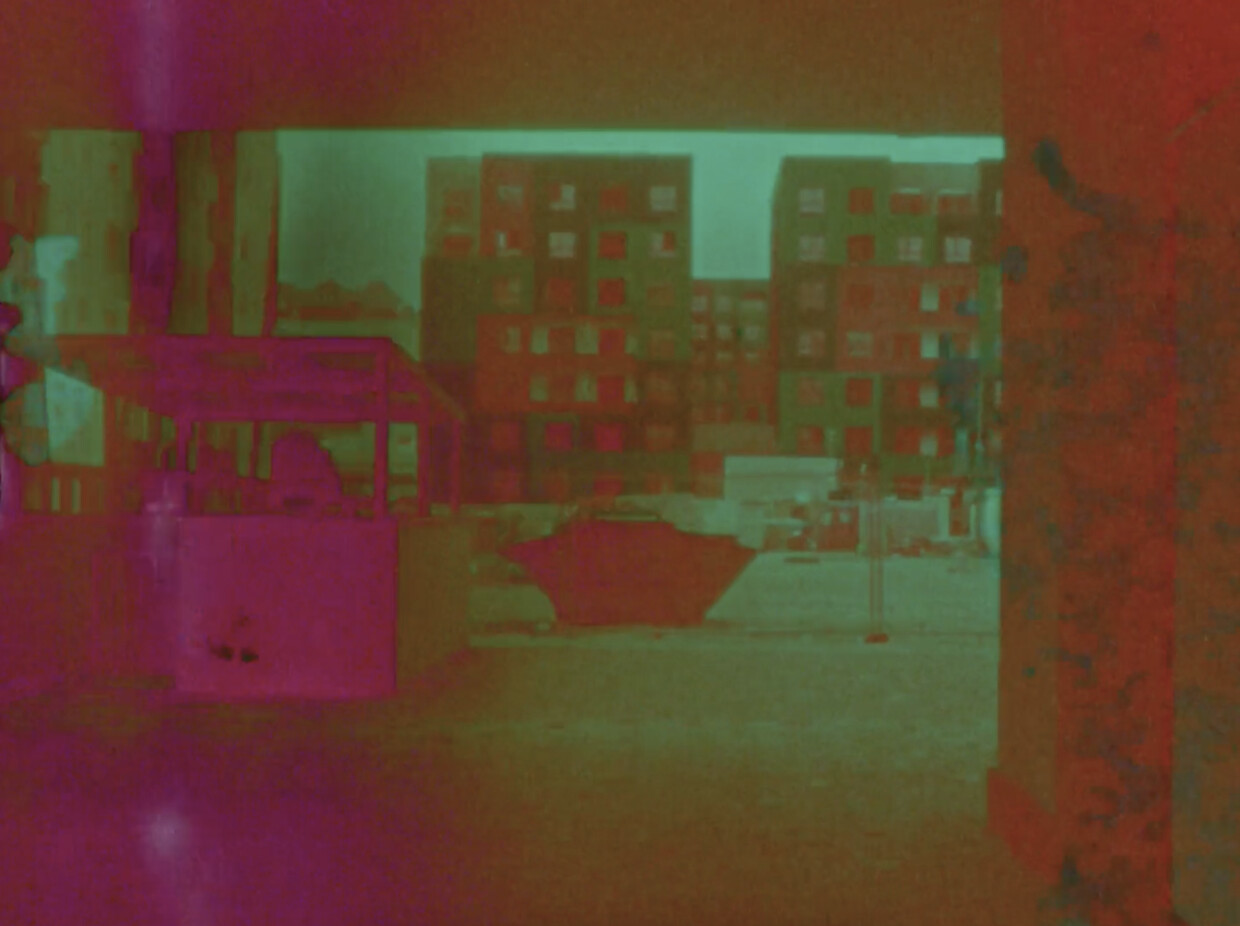
City in Observation is structurally experimental in terms of plot. The story has no provocation, no plot climax, no linear development; the meaning is created out of bits, passing people, wood rustling, and footsteps being heard in a tight passage. Being plain separately, these vignettes combine a poetic echo which simulates the beat of experienced life in a city. The mode used by Whiteford-Woods reminds the viewer of the observational style of Croatian filmmaking in the middle of the century when careful setting and composition, and the focus on minute atmospheric details prevailed over traditional narrative. However, her incorporation of modern methods (especially, the combination of Super 8 and Super 8 Leader with the digital shots) adds a temporality to the piece. The grain of analog film and the sharpness of the digital images play off each other in a way that creates a sense of memory overlaying the present in a way that it seems that the city is in a multiple time-period.
The film has one of its strongest assets through cinematography. Every frame is thoroughly worked out with the use of symmetry and asymmetry, light and shadow, movement and stillness. The urban scenes are captured in the form of streets, plazas, and interiors and raised to near sculptural levels. The thin layer of animation is bland without drawing attention out of the observational purity but editing is not hasty, transitions are natural and it has its sequences breathing, instead of urging its audience with the ticking of time. The ambient noise of the city, the sounds of distant traffic, the mumbling of people, and buzzing of feet are an ambient sound that serves as a de facto score, further attesting to the belief that Whiteford-Woods possesses in the poetry of everyday existence. The lack of music is one of the focal points in the film to emphasize its authenticity and attention to detail.
Performance, or, to be more exact, presence is noteworthy by its subtle manner. The fact that the film does not enjoy dramatization, but instead depends on observations, makes the city perform. Framed around the shopkeepers, commuters, and random passersby are an attentive and neutral treatment and permits the audience to make inferences without explicit directives. It is the sense of immersive intimacy where the viewer will be the insider and outsider to the city as s/he has to face the average practice of the city in terms of curiosity and silent alienation. The very fact that this view is brought out by Whiteford-Woods herself adds to this vision, and in a reflective cadence, which does not impose an interpretation on the listener but invites them to think about it.
The movie does not present a traditional narrative gratification where the movie may lose its footing. Viewers willing to watch a plot-driven forward motion or an emotional catharsis might feel lost in slow pacing and the lack of tangible conflict. . However, this constitutes the very idea: City in Observation is time-consuming and an observant effort must be paid. It believes that observation itself is an action, that taking notice, the act of deceleration, is in itself changeable. In the age of ever-changing dynamic and electronic distraction, the meditative pace of the movie stands out as a subtle resistance, a wake-up call to regain the importance of perceiving things slowly.
In the end, City in Observation manages to work as a meditation of the spectatorship and the memory and the life in the city. Audrey Whiteford-Woods has an impressive mastery of technique and thematic delicacy, and combines analog textures, considerate sound design, and contemplative narration into a singular piece that sticks in the head well after watching. Its complexity is not a background but a subject and a living being whose beating heart is the reflection of a keen eye of the researcher. To cinephiles, to urbanists and to anyone just going slow enough with their glances, City in Observation is an uncommon and fully engrossing experience a film that not only observes but is also observed, which makes you pause and think upon the vicinities we live in and the attentiveness we devote to it.
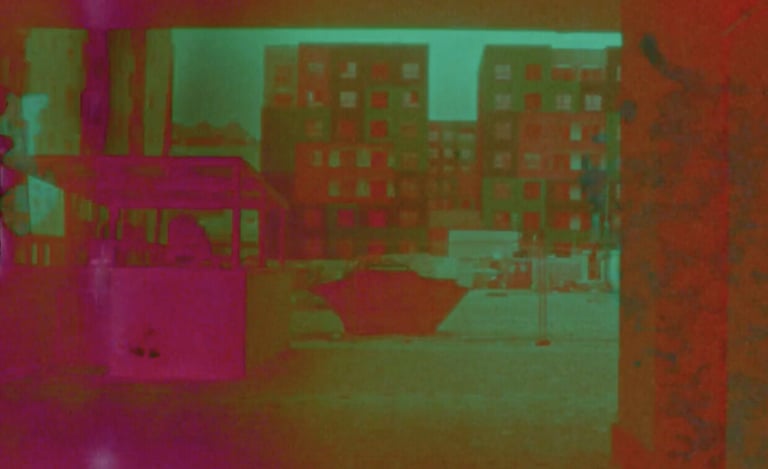
2025, France, 8 min
Ivo Žarković
Voiced by:
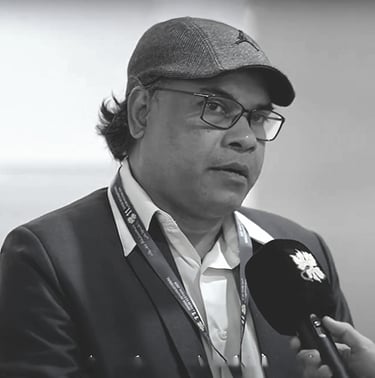
Ashraf Shishir
Luminous Frames and Emmy Awards juror.
© 2026. All rights reserved.